Prado nasıl dünyanın vazgeçilmez müzelerinden biri haline geldi
Kraliyet zevkinden ve hanedan gücünden kamusal hafızaya ve sanatsal mirasa uzanan Prado hikayesi, İspanya tarihinden ayrı düşünülemez.
İçindekiler
Kraliyet koleksiyonlarından doğan bir müze
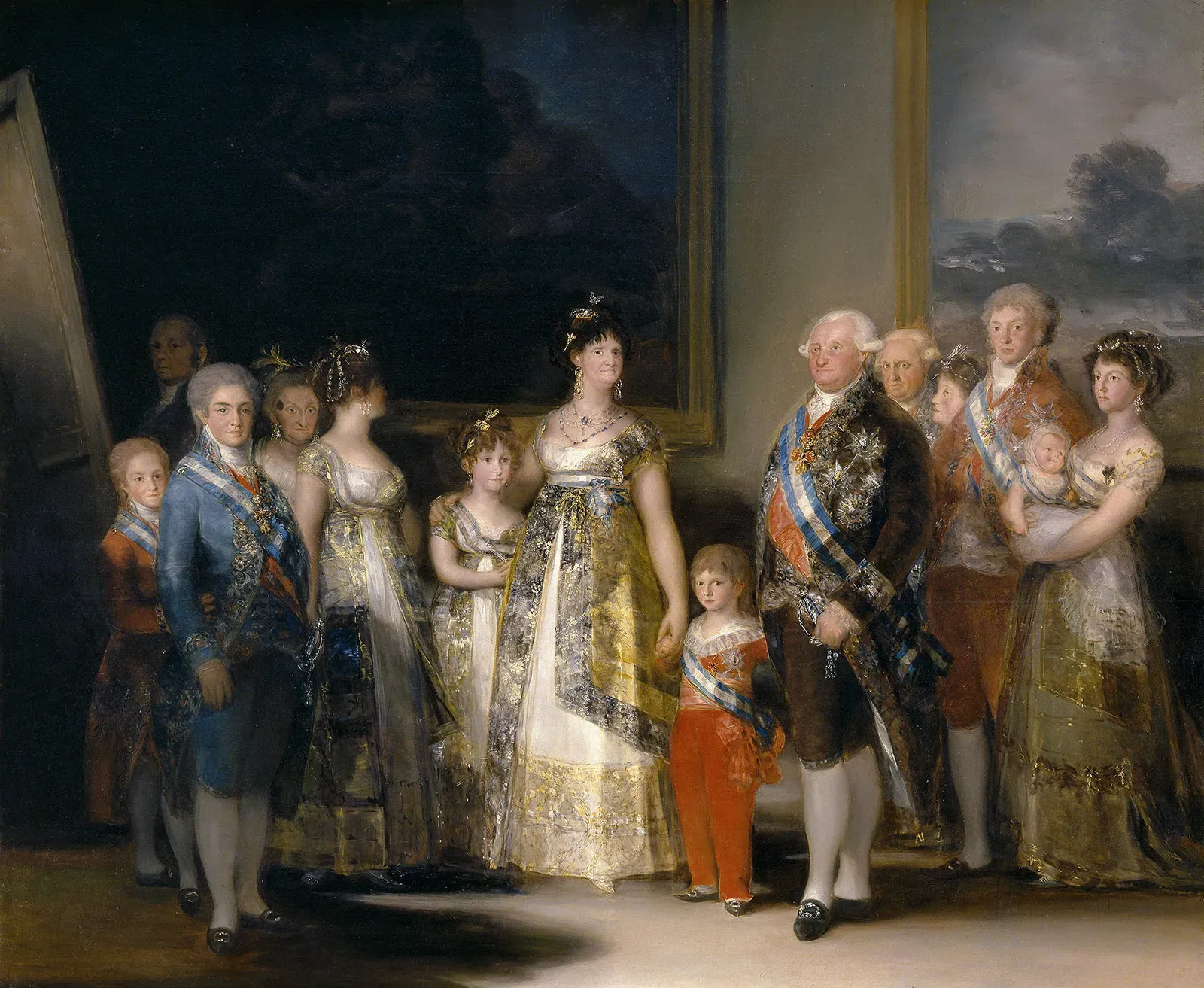
Prado, modern anlamda genel halk için parça parça oluşturulmuş bir müze olarak başlamadı. Kökleri, özellikle Habsburglar ve Bourbonlar dönemindeki İspanyol hükümdarların koleksiyon yapma alışkanlıklarında yatar. Bu hükümdarlar tabloları sadece güzel oldukları için değil; sanat diplomasinin, bağlılığın, hanedan hafızasının ve gücün sahnelenmesinin bir aracı olduğu için topluyordu. Madrid'deki Alcazar gibi kraliyet konutları ve diğer saraylar Titian, Rubens, Velazquez ve daha birçok sanatçının olağanüstü eserlerini barındırıyordu. Böylece her portre, her mitolojik sahne ve her dini imgenin zevki, meşruiyeti ve imparatorluk hırsını ifade etmeye yardımcı olduğu bir monarşi görsel dili oluştu. Bugün ziyaretçilerin Prado'da gördükleri şey, büyük ölçüde bu kararların sonraki hayatıdır.
Bu köken önemlidir; çünkü müzeye özel bir bütünlük kazandırır. Burası her uygarlığı eşit biçimde temsil etmeye çalışan ansiklopedik bir kurum değildir. Bunun yerine Prado, İspanyol yöneticiler ve onların himaye ağları tarafından şekillendirilmiş yüzyıllar süren koleksiyonculuğu yansıtır. Sonuç, belirgin güçlü yanları ve net bir bakış açısı olan bir koleksiyondur. İçinde yürürken, pek çok eserin bir zamanlar taç, şapel, saray ritüeli ve seçkin eğitimi bağlamında görülmek üzere tasarlandığını hissedersiniz. Zamanla bu tablolar monarşinin özel yörüngesinden çıkıp kamusal bir kuruma girdiler; fakat geldikleri yerin ve bir zamanlar neden arzu edildiklerinin taşıdığı tarihsel ağırlığı asla kaybetmediler.
Bina ve ardındaki Aydınlanmacı vizyon
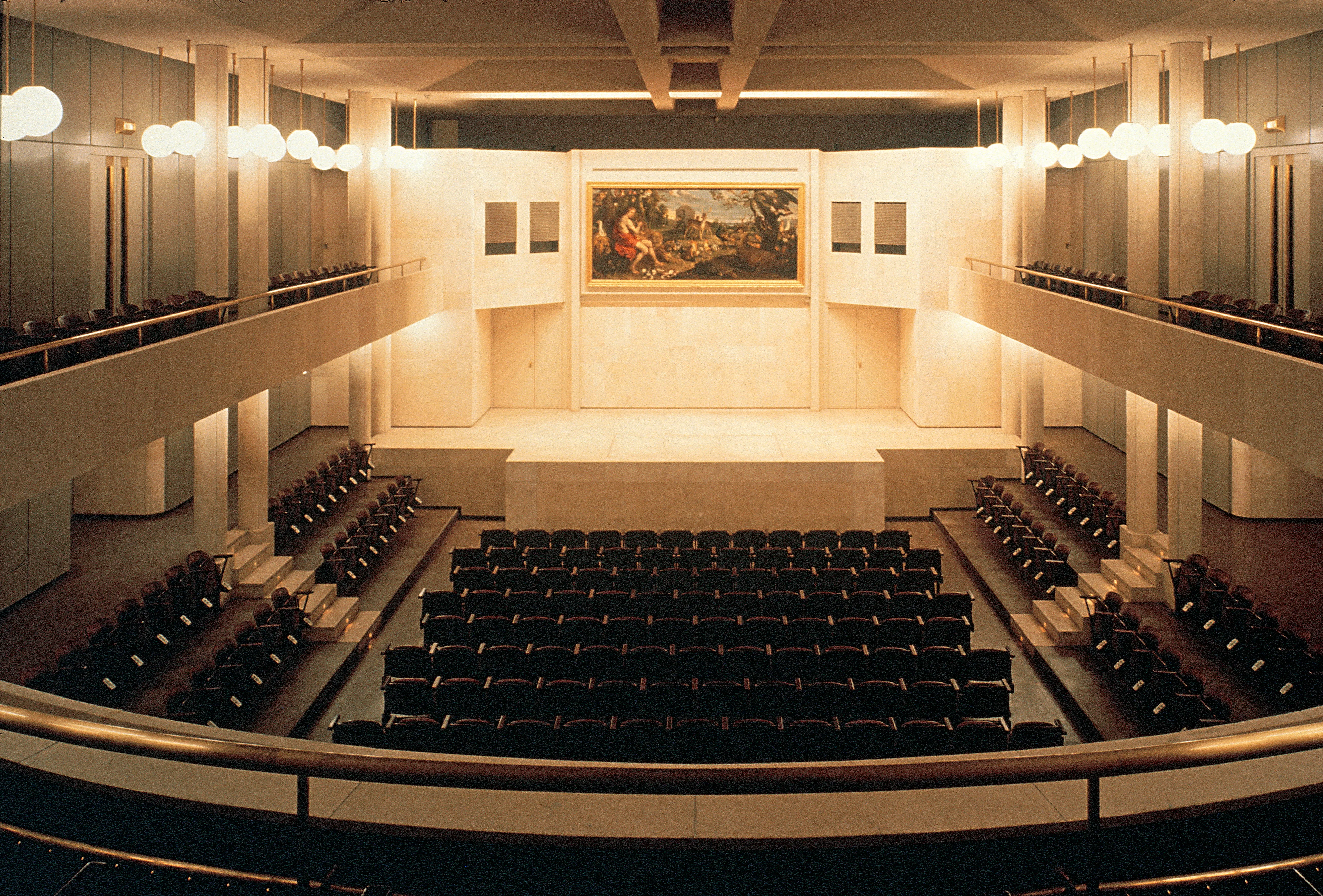
Prado ile en çok özdeşleşen bina, on sekizinci yüzyılın sonlarındaki entelektüel iklime çok şey borçludur. Juan de Villanueva tarafından tasarlanan yapı, başlangıçta Madrid'deki kentsel ve kurumsal iyileşmeyi hedefleyen daha geniş bir Aydınlanma programı içinde bilimsel amaçlar için düşünülmüştü. Müze hakkında sessiz ama büyüleyici gerçeklerden biri budur: bugün bu kadar sevilen tabloyu barındıran kabuk, ilk başta bir resim galerisi olarak tasarlanmamıştı. Mimarisi, bilginin düzenlenebileceğine, sergilenebileceğine ve devletin ilerlemesi için kullanılabileceğine inanan bir döneme aittir.
Ancak daha sonra, savaşın ve siyasi değişimin çalkantılı sonrasında, bina ulusal sanat müzesine dönüşecek kurumun evi haline geldi. Bu dönüşüm Prado'ya katmanlı bir kimlik verdi. Aynı anda hem neoklasiktir hem de derinden tarihseldir; planda düzenli, deneyimde ise duygusal açıdan doludur. Bugün ziyaretçiler ek binalardan, yenilenmiş galerilerden ve dikkatle düzenlenmiş rotalardan geçerken bile, bilgiyi sınıflandırıp yüceltme arzusuyla doğmuş bir yapının şimdi resmin duygu, hafıza ve dikkatli bakış aracılığıyla bilgiyi genişlettiği bir yer olması son derece yerinde görünür.
Krallar, kraliçeler ve hanedan prestijinin sanatı
Prado'yu anlamak için Avrupa saraylarının bir zamanlar imgeyi ne kadar ciddiye aldığını anlamak yardımcı olur. Portreler sadece benzerlikten ibaret değildi. Onlar devlet zanaatının araçları, veraset kayıtları, dindarlık beyanları ve hiyerarşinin dikkatle ayarlanmış performanslarıydı. İspanyol hükümdarlar, tebaalarına, rakiplerine, müttefiklerine ve gelecekteki kuşaklara otoriteyi ileten eserleri sipariş etti ve topladı. Prado'nun saray portreleri bakımından bu kadar zengin hissedilmesinin nedeni de budur: ressamların tesadüfen bu türü sevmesi değil, gücün kendisinin görsel bir biçim talep etmesidir.
Yine de koleksiyonu olağanüstü kılan şey, büyük ressamların siparişlerinin siyasi işlevini sık sık aşmış olmasıdır. Örneğin Velazquez statüyü onurlandırırken aynı zamanda insani karmaşıklığı açığa çıkarabilirdi. Goya ise daha sonra daha da rahatsız edici bir şey yapacak, ihtişamı korurken kırılganlık, tuhaflık ve huzursuzluğun görünür kalmasına izin verecekti. Birlikte görüldüklerinde bu eserler sadece hükümdarlar ve akrabalar geçidi sunmaz. Otoritenin nasıl görünmek istediğine ve sanatçıların, güce hizmet ederken bile, daha ince gerçekleri nasıl söylemenin yollarını bulduğuna dair uzun bir düşünceye dönüşürler.
Merkezde Velazquez, Goya ve İspanyol resmi
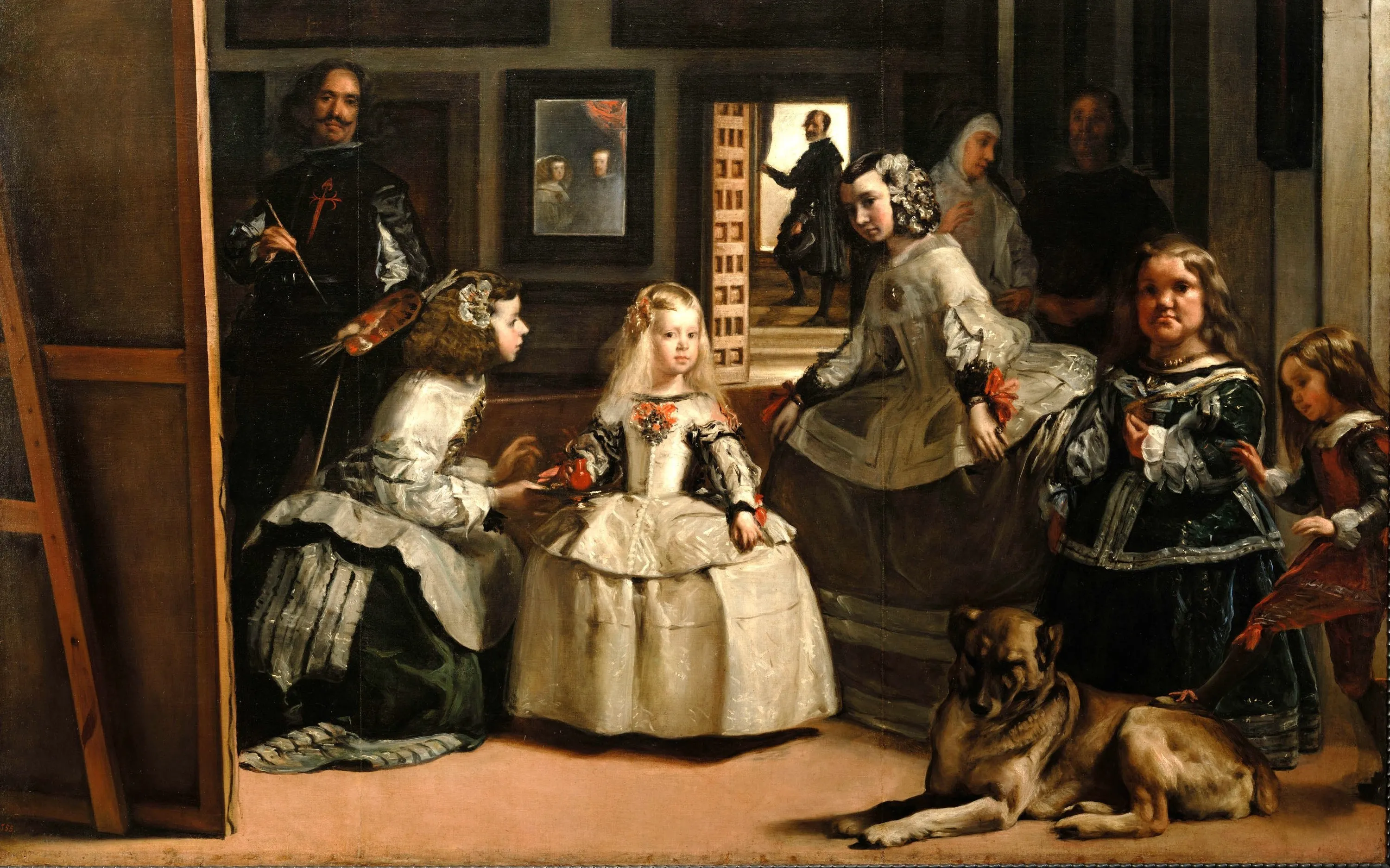
Birçok ziyaretçi için Prado'nun kalbi, özellikle Velazquez ve Goya'nın eserlerinde İspanyol resminin en yüksek düzeyiyle karşılaşmaktır. Velazquez resme egemen bir zeka taşır. Fırça darbeleri uzaktan zahmetsiz, yakından ise hayret verici derecede canlı görünebilir; portreleri ise kişileri resmi temsil ile içe dönük gizem arasında bir yerde tutar. Hakkında sürekli konuşulan ve sonsuz kez yeniden üretilen Las Meninas, gerçek karşısında hâlâ şaşırtıcı gelir; çünkü hem içten hem de dengesizdir: bir saray sahnesi, bakış üzerine bir düşünme ve basit açıklamaların ötesine kaymaya devam eden bir başyapıt.
Goya müzenin sıcaklığını değiştirir. Onunla birlikte koleksiyon daha modern, daha kaygılı ve bazı salonlarda neredeyse acı verecek kadar doğrudan hale gelir. Aynı geniş üretim döneminin içinde bile parlak, zarif, hicivli, şefkatli ve acımasız olabilir. Prado size yalnızca tekil başyapıtları değil, hayal gücünün olağanüstü kapsamını da gösterir. Saray portreleri rütbe ve töreni açığa çıkarırken, şiddet sahneleri ve Kara Resimler kâbusu, hayal kırıklığını ve ahlaki karanlığı sergiler. Velazquez ve Goya birlikte müzeyi yalnızca sabitlemez; ona imparatorluk vakarından psikolojik kırılmaya uzanan dramatik bir yay verir.
Madrid'de İtalyan ve Flaman ustalar
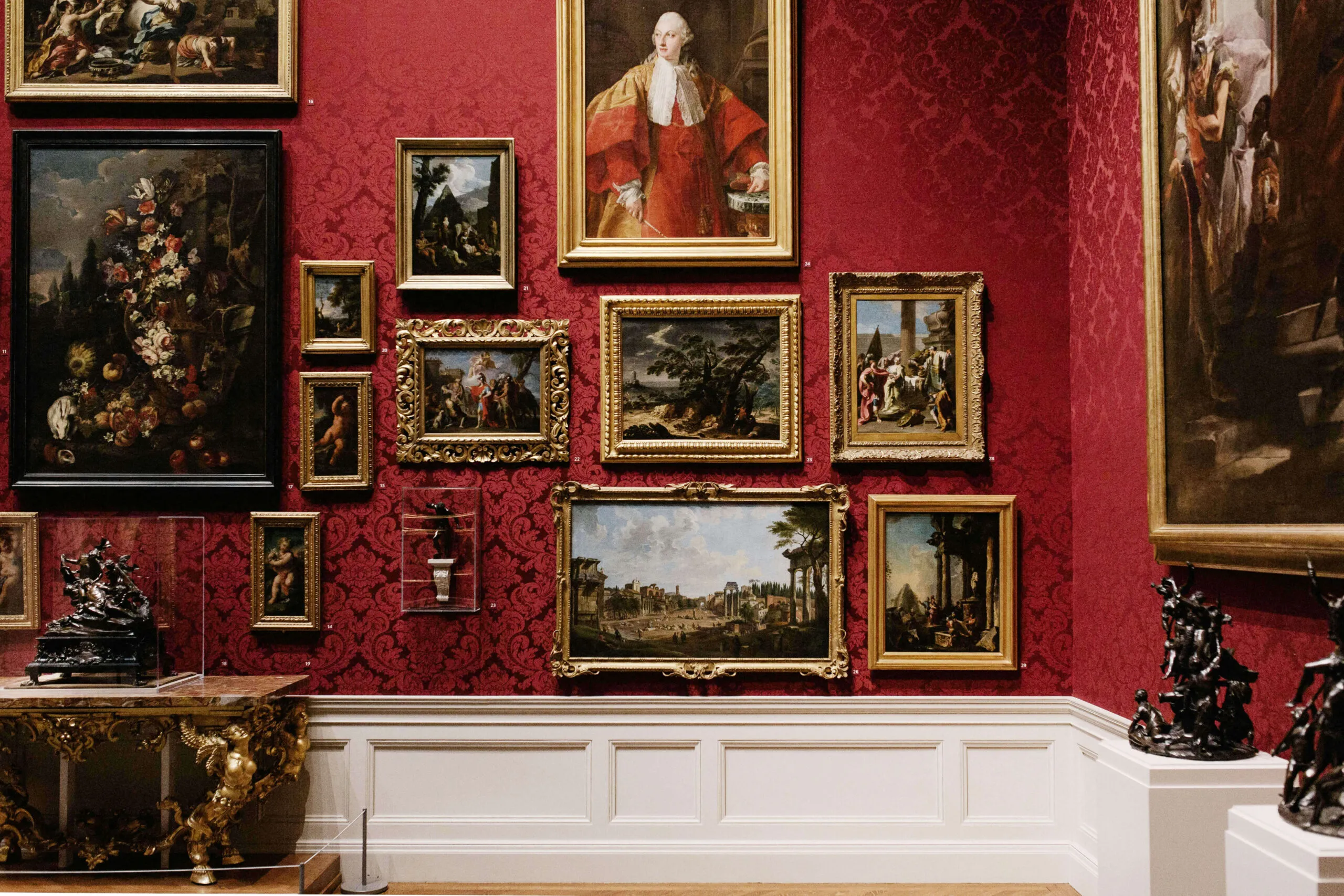
Prado çoğu zaman İspanyol hazineleri üzerinden tanıtılsa da uluslararası koleksiyonları kimliğinin temel parçalarındandır. İspanyol hükümdarlar geniş çapta koleksiyon yaptı ve onların zevki büyük İtalyan ve Flaman eserlerini kraliyet mülkiyetine taşıdı. Titian özellikle İspanyol sarayı için büyük önem kazandı; müzedeki varlığı tesadüfi ya da tamamlayıcı değildir. Bu durum hami ile ressam, hanedan ile imge, siyasi prestij ile sanatsal yenilik arasındaki derin tarihsel ilişkinin yansımasıdır. Dolayısıyla Prado içinde hareket etmek yalnızca İspanya'nın sanatsal öz imgesini değil, İspanya'nın daha geniş Avrupa görsel kültürü içindeki yerini de görmek demektir.
Flaman koleksiyonu bu tabloya başka bir yoğunluk katmanı ekler. Rubens tüm teatral bolluğu, duyusallığı ve hareketiyle karşınıza çıkar; Bosch ise bambaşka bir çekim gücü sunar: tuhaf, ahlakçı, düşsel ve hâlâ düzenli yorumlara direnen. Dünyevi Zevkler Bahçesi ziyaretçileri durdurmaya devam eder; çünkü aynı anda hem Orta Çağ'a ait hem modern, hem oyunbaz hem uğursuz, hem kesin hem halüsinasyon dolu hissedilir. Bu galeriler Prado'nun neden hiçbir zaman dar bir yer gibi gelmediğini açıklar. Müze İspanyol tarihine sıkı sıkıya bağlıdır; ama Avrupa'yı şekillendiren daha geniş sanatsal akımlarla sürekli diyalog içindedir.
Savaş, çalkantı ve sanatın korunması
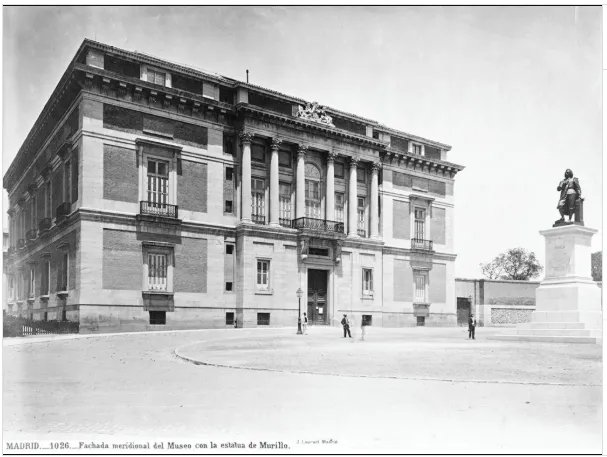
Prado'nun tarihi yalnızca toplama ve sergileme tarihi değil, aynı zamanda kırılganlık tarihidir. Müzeler ve kraliyet koleksiyonları yüzyıllar süren işgal, rejim değişikliği ve iç çatışmalardan yara almadan geçmez. İspanya'nın siyasi tarihi kültürel mirasının kaderini defalarca sınadı ve Prado, ulusal kimlik ile sanatsal mirasa dair soruların son derece somut hale geldiği bir yer oldu. Çalkantı dönemlerinde mesele artık neyin satın alınacağı ya da koleksiyonun nasıl düzenleneceği değil, zaten var olanın zarar, hırsızlık, dağılma ya da yıkımdan nasıl korunacağıydı.
Bu hikayenin en akılda kalıcı bölümlerinden biri, İspanya İç Savaşı sırasında eserlerin korunmasıyla ilgilidir; sanatın derin belirsizlik koşullarında güvence altına alınması gerekmişti. Ayrıntılar acil durum planlaması, taşımacılık ve kültürel sorumluluk tarihinin daha geniş bir parçasıdır; ancak temel nokta basittir: büyük koleksiyonların hayatta kalması asla otomatik değildir. Bu, yöneticilerin, küratörlerin, çalışanların ve karar vericilerin baskı altında zor kararlar almasına bağlıdır. Bunu bilmek galerilere başka bir ağırlık kazandırır. Tablolar kaçınılmaz görünmez; korunmuş, ileri taşınmış ve bazı durumlarda gelecek kuşaklar için zar zor kurtarılmış hissedilir.
Prado nasıl kamusal bir hazineye dönüştü

Kraliyet mülkiyetindeki eserlerin halka açık bir müzeye dönüşmesi, Prado'nun kimliğinin ardındaki belirleyici kültürel değişimlerden biridir. Bu, sanatı hanedanın malı olmaktan çıkarıp ortak mirasa dönüştüren bir adımdır. Bu geçiş koleksiyonun saraya ait kökenlerini silmedi; fakat erişimin toplumsal anlamını kökten değiştirdi. Bir zamanlar saray iç mekanlarına ve seçkin törenlerine bağlı olan resimler, artık araştırmacıların, sanatçıların, öğrencilerin, gezginlerin ve sıradan kent sakinlerinin ortak bir kültürel dünyanın parçası olarak karşılaşabildiği yeni bir kamusal yaşama girdi.
Prado'nun İspanyol kültürel hafızasında bu kadar merkezi bir yere sahip olmasının sebeplerinden biri budur. Müze yalnızca tablolar ünlü olduğu için hayranlık uyandırmaz. Aynı zamanda geçmişin prestijini daha demokratik bir görme ve çalışma alanına taşıyan kamusal bir kurum haline geldiği için değer görür. Bugün bile her yıl milyonlarca ziyaretçi içinden geçerken, bir zamanlar statü ve dışlayıcılık araçları olan bu eserlerin şimdi temel amacı eğitmek, korumak ve kamuya açılmak olan bir müzeye ait olmasında hâlâ dokunaklı bir taraf vardır.
Kalabalıklar, güvenlik ve erişilebilirlik
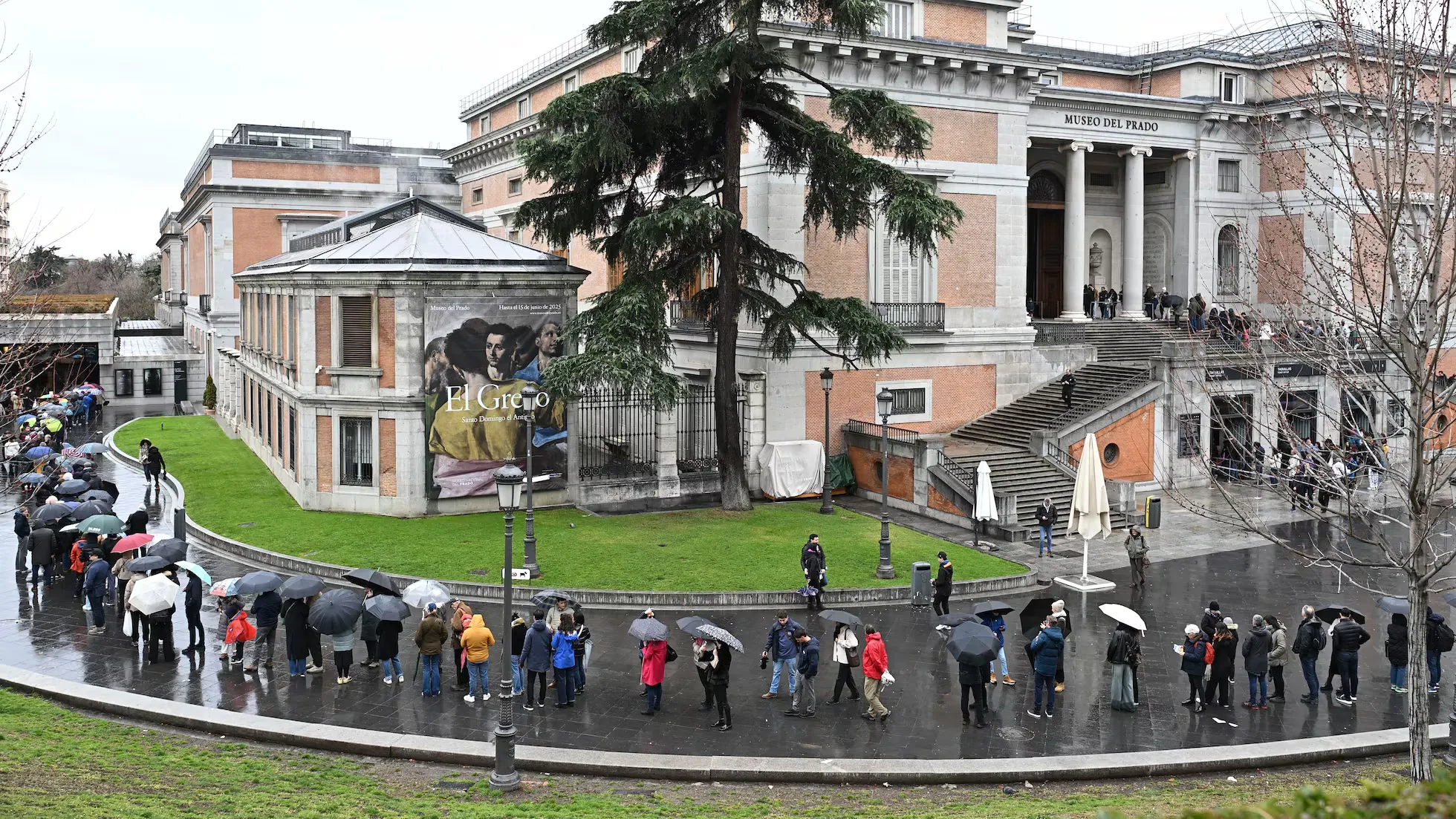
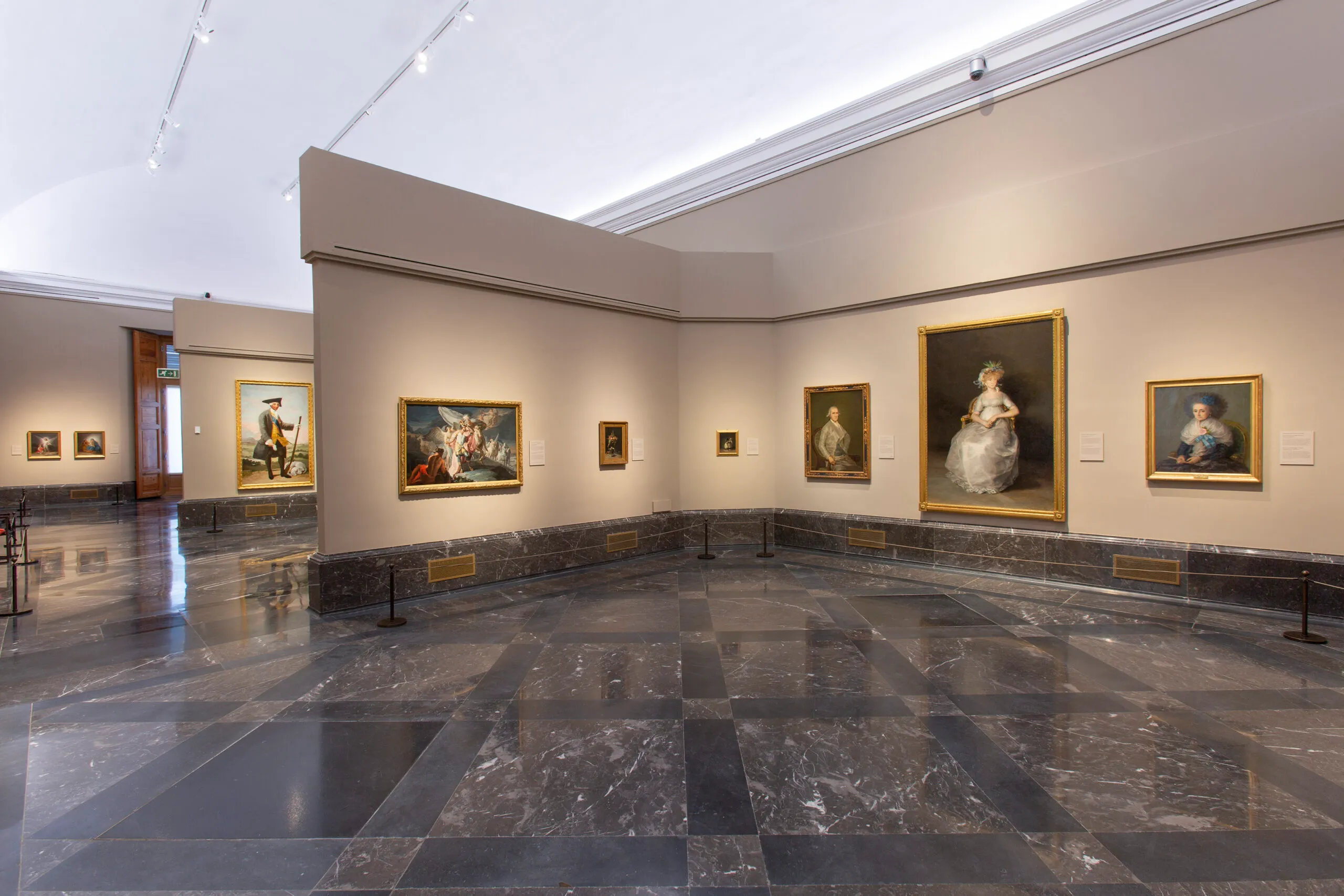
Prado'nun düzeyindeki bir müze doğal olarak büyük kalabalıklar çeker ve bu popülerlik ziyaret deneyiminin modern şeklini belirler. En ünlü salonlar, özellikle birçok gezginin vazgeçilmez gördüğü ikonik eserlerin çevresinde yoğun hissedilebilir. Buna rağmen müze aynı zamanda daha sessiz bölümler, geçiş galerileri ve daha az bilinen salonlarla doludur; buralarda tempo yavaşlar ve dikkatli bakmak kolaylaşır. Akıllı bir ziyaret çoğu zaman ünlü olanla gözden kaçanı dengelemek anlamına gelir; müzeyi bir kutlanan tuvalden diğerine koşulan bir yarış gibi görmek değil.
Pratik açıdan bakıldığında Prado, erişilebilir rotalara ve desteğe ihtiyaç duyanlar dahil geniş bir kitleyi karşılayacak şekilde tasarlanmıştır. Tarihi kurumlar her zaman mimari sınırlamalar içinde çalışır; ancak genel amaç koleksiyonu mümkün olduğunca erişilebilir kılmaktır. Güvenlik, yön bulma ve ziyaretçi konforu önemlidir; çünkü insanların ne kadar süre dikkatli kalabildiğini bunlar belirler. Dikkatli bakış üzerine kurulu bir müzede en iyi lojistik, arka plana çekilip sanatın öne çıkmasına izin verendir.
Prado'yu diğer müzelerden farklı kılan şey
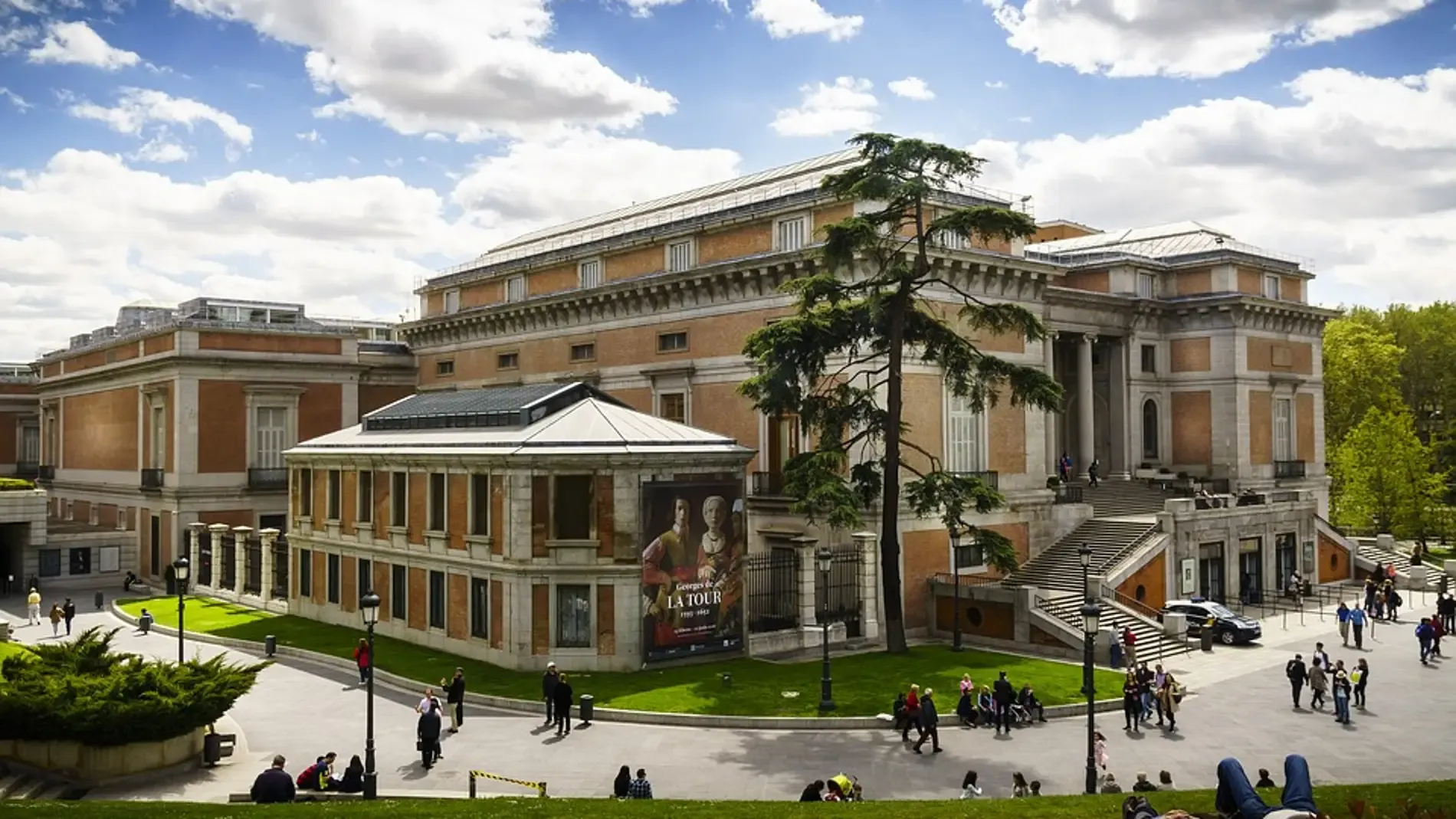
Birçok büyük müze ölçeği, ansiklopedik kapsamı ya da mimari gösterişiyle etkiler. Prado ise başka türlü etkiler. Gücü yoğunlaşma, süreklilik ve ciddiyette yatar. Koleksiyon, Avrupa sanat tarihi için derin önem taşıyan alanlarda olağanüstü bir derinliğe sahiptir ve kökenleri nedeniyle bu güçlü yanlar rastlantısal değildir. Müze sanki bizzat tarih tarafından yazılmış gibidir. Hanedanların, bağlılık biçimlerinin, siparişlerin ve zevklerin koleksiyona neyin gireceğini, neyin girmeyeceğini belirleyen bir mantığı hissedilir.
Bu durum Prado'ya kendine özgü bir duygusal ton verir. Büyük ün taşıyan eserler barındırmasına rağmen bazı daha büyük müzelerden daha samimi hissedebilir. Salonlar dikkat dağıtmak yerine karşılaştırmaya davet eder. Ziyaretçiler çoğu zaman miktardan çok yoğunluktan söz ederek ayrılır: Bosch'un tuhaflığı, Velazquez'in serin zekâsı, Goya'nın ahlaki gücü, Titian'ın parıltısı ve Rubens'in teatral enerjisi. Prado hafızada kalır; çünkü her şeyi eşit öneme indirgemez. Hiyerarşisi, karakteri ve tarihsel inancı olan bir koleksiyon sunar.
Devasa bir koleksiyonda akıllı bir ziyaret planlamak
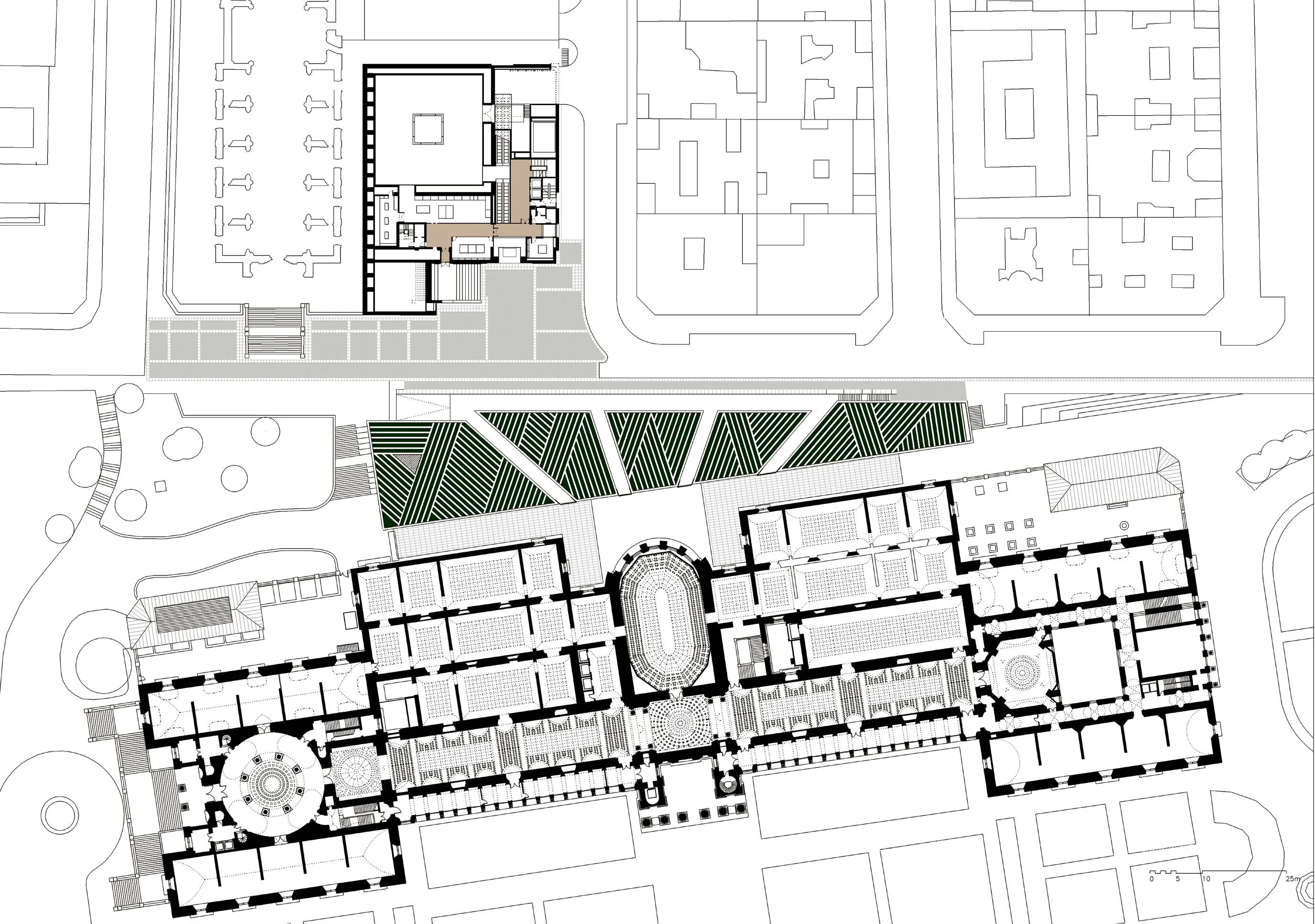
İlk kez gelen ziyaretçilerin en yaygın hatalarından biri, yalnızca heyecanın müzenin ölçeğini çözmeye yeteceğini varsaymaktır. Oysa pratikte Prado daha seçici bir yaklaşımı ödüllendirir. Bir öne çıkanlar turu mu istediğinize, İspanyol resmine mi odaklanacağınıza, Goya merkezli bir rota mı izleyeceğinize yoksa Eski Ustalar hakkında daha geniş bir genel bakış mı aradığınıza karar verin. Mütevazı bir plan bile deneyimi dramatik biçimde değiştirir; çünkü zamanınızı nereye gideceğinizi sürekli düşünerek değil, gerçekten bakarak geçirmenizi sağlar.
Enerjiyi düşünmek de aynı derecede önemlidir. Büyük müzeler dikkat ister ve dikkat sınırlıdır. Molalara yer veren daha yavaş tempolu üç saatlik bir ziyaret, daha uzun ama yorgun bir geziden çoğu zaman daha akılda kalıcıdır. Sanat tarihine özellikle ilgi duyuyorsanız her şeyi tek oturuma sıkıştırmak yerine başka bir gün geri dönmeyi tercih edebilirsiniz. Prado tekrar ziyaret daveti çıkaran türden bir müzedir; çünkü tanışıklık yön bulmanın yerini almaya başladığında zevki daha da derinleşir.
Koruma, araştırma ve sahne arkasındaki yaşam
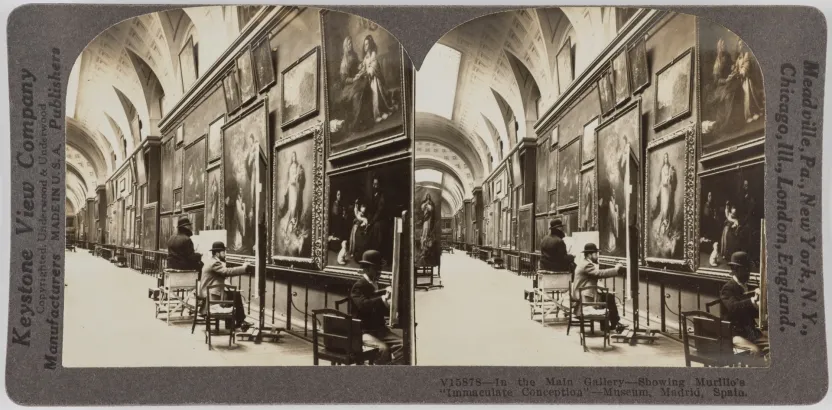
Kamunun galerilerde gördüğü şey, Prado'nun yaptığı işin yalnızca bir kısmıdır. Perde arkasında koruma, restorasyon, araştırma, kataloglama, ödünç verme ve sergi planlaması kurumun yaşamını şekillendirir. Tablolar yaşlanır, yüzeyler kararır, vernikler değişir, çerçeveler bakım ister ve sanat tarihine ilişkin anlayış yeni araştırmalarla gelişir. Bu düzeydeki bir müze bu nedenle geçmişi saklayan bir kap olmaktan ibaret değildir. O, aktif bir inceleme ve emanetçilik yeridir.
Bu görünmez emek önemlidir; çünkü gelecek kuşakların koleksiyonu nasıl deneyimleyeceğini belirler. Bir restorasyon beklenmedik bir parlaklığı ortaya çıkardığında, bir atıf yeniden değerlendirildiğinde ya da tematik bir sergi tanıdık bir sanatçıyı yeniden çerçevelediğinde Prado kimliğine ihanet etmeden incelikli biçimde değişir. Müze hem kanonik hissedilecek kadar istikrarlı kalır hem de bilgi üretmeye devam edecek kadar canlıdır. Kalıcılık ile yenilenme arasındaki bu denge, ciddi ziyaretçilerin, araştırmacıların ve tekrar gelen gezginlerin geri dönmesinin nedenlerinden biridir.
Prado'nun Madrid'in geniş kültürel manzarasındaki yeri
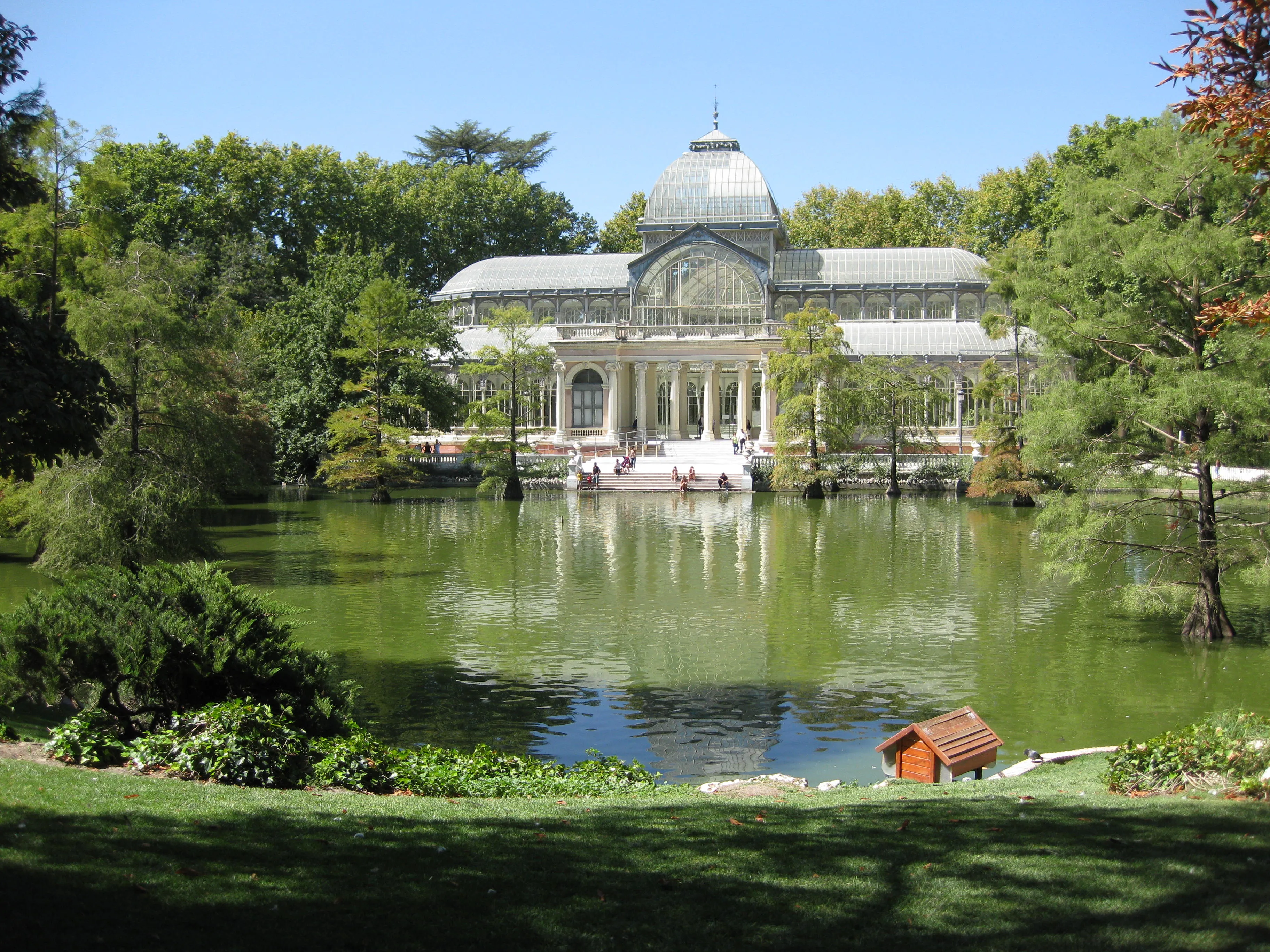
Prado Madrid'de tek başına durmaz. Başka büyük müzeleri, zarif bulvarları, tarihi mahalleleri ve yavaş keşif için bölgeyi olağanüstü derecede ödüllendirici kılan yeşil alanları içeren daha geniş bir kültür bölgesine aittir. Bu çevre önemlidir; çünkü ziyaretin ritmini değiştirir. İçeri girip tabloları görüp çıkmakla kalmazsınız. Dışarı çıktığınızda kendinizi düşünceye, sohbete ve devam eden deneyime davet eden bir şehir parçasında bulursunuz; bu ister bir başka galeri, ister yakındaki bir kafe, ister Retiro'ya doğru bir yürüyüş olsun.
Birçok gezgin için Prado'yu bu kadar bütünlüklü kılan da budur. O hem bir kurumdur hem de Madrid yaşamının içinde bir dayanak noktasıdır. Galerilerde geçirilen bir sabah parkta bir öğleden sonraya, ikinci bir müzeye ya da yakın sokaklarda uzun bir yemeğe dönüşebilir. Deneyim binanın ötesine taşar ve şehir ayrı ayrı cazibe merkezlerinin toplamı olmaktan çıkarak kültürel bir manzara gibi hissettirmeye başlar.
Ziyaretçiler ayrıldıktan sonra bile Prado neden zihinlerde kalır
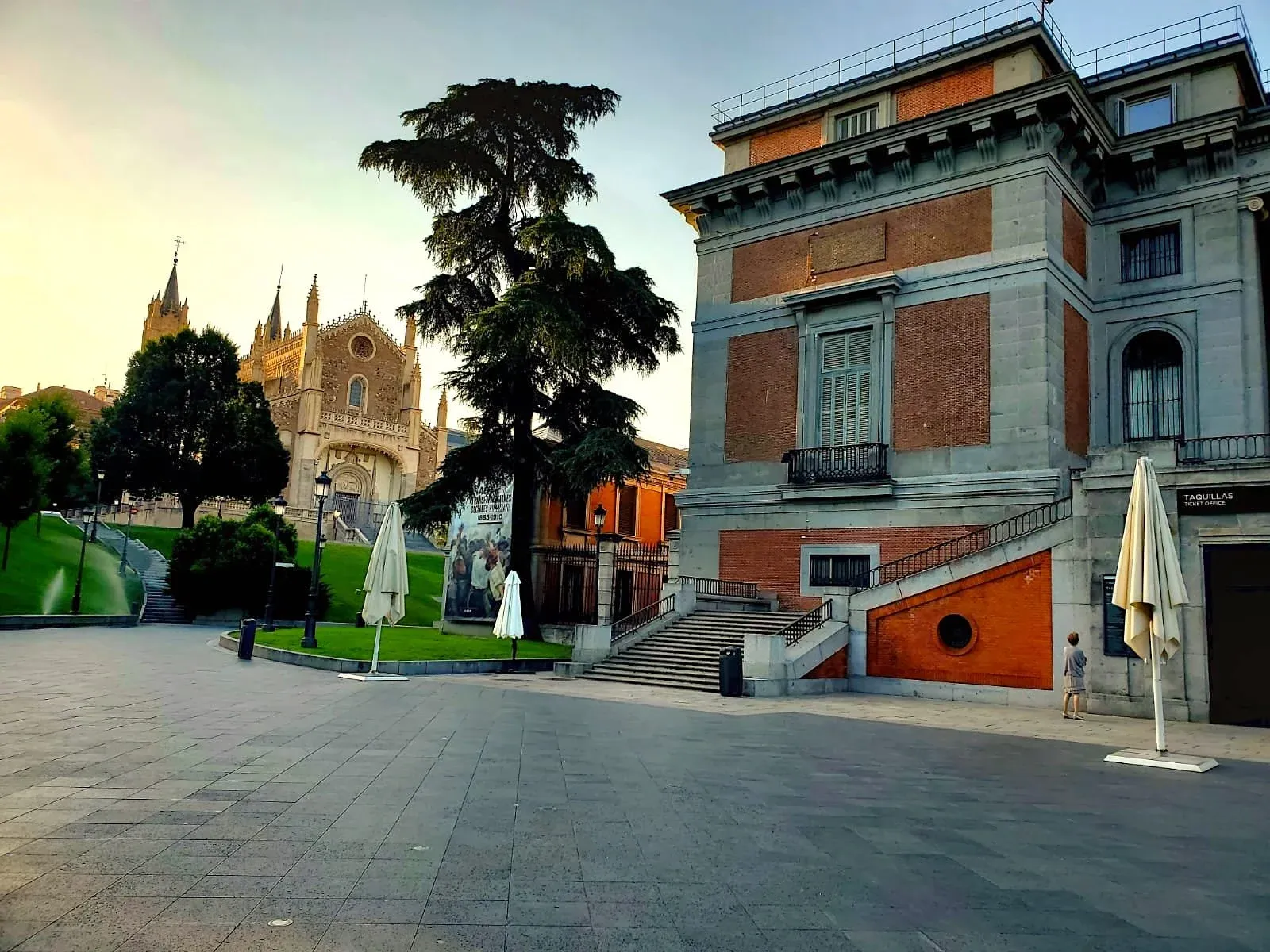
Bazı müzeler o anda etkiler ve sonra yavaşça silinir. Prado ise çoğu zaman farklı çalışır. Tabloları daha sonra bellekte yeniden belirir; çünkü hem duygusal hem tarihsel olarak yoğundurlar. Yalnızca ünlü isimleri değil, bir yüzün tam ifadesini, bir odanın hareketsizliğini, bir Goya'daki siyahın ağırlığını, Bosch'un tuhaf parlaklığını ya da bir Velazquez kompozisyonuna yerleştirilmiş rahatsız edici zekâyı da hatırlayarak ayrılabilirsiniz. Bunlar tüketilip geçilen imgeler değildir. Ziyaretten sonra da açılmaya devam ederler.
Bu yüzden Prado bu kadar çok gezgin için bu kadar büyük anlam taşır. Elbette prestij sunar; ama aynı zamanda yoğunlaşma ve ciddiyet de sunar. Sizden yavaşlamanızı ister ve sonra bu çabayı kalıcı bir dikkat duygusuyla ödüllendirir. Müze günü çoktan bitmiş olduktan sonra bile insanlar Prado'nun Madrid'i hatırladıkları yerlerden biri olarak kaldığını fark eder: yalnızca bulvarların ve meydanların şehri olarak değil, dikkatle durup bakmaya istekli olan herkesin hayal gücünü resmin hâlâ şekillendirdiği bir şehir olarak.
İçindekiler
Kraliyet koleksiyonlarından doğan bir müze
Prado, modern anlamda genel halk için parça parça oluşturulmuş bir müze olarak başlamadı. Kökleri, özellikle Habsburglar ve Bourbonlar dönemindeki İspanyol hükümdarların koleksiyon yapma alışkanlıklarında yatar. Bu hükümdarlar tabloları sadece güzel oldukları için değil; sanat diplomasinin, bağlılığın, hanedan hafızasının ve gücün sahnelenmesinin bir aracı olduğu için topluyordu. Madrid'deki Alcazar gibi kraliyet konutları ve diğer saraylar Titian, Rubens, Velazquez ve daha birçok sanatçının olağanüstü eserlerini barındırıyordu. Böylece her portre, her mitolojik sahne ve her dini imgenin zevki, meşruiyeti ve imparatorluk hırsını ifade etmeye yardımcı olduğu bir monarşi görsel dili oluştu. Bugün ziyaretçilerin Prado'da gördükleri şey, büyük ölçüde bu kararların sonraki hayatıdır.
Bu köken önemlidir; çünkü müzeye özel bir bütünlük kazandırır. Burası her uygarlığı eşit biçimde temsil etmeye çalışan ansiklopedik bir kurum değildir. Bunun yerine Prado, İspanyol yöneticiler ve onların himaye ağları tarafından şekillendirilmiş yüzyıllar süren koleksiyonculuğu yansıtır. Sonuç, belirgin güçlü yanları ve net bir bakış açısı olan bir koleksiyondur. İçinde yürürken, pek çok eserin bir zamanlar taç, şapel, saray ritüeli ve seçkin eğitimi bağlamında görülmek üzere tasarlandığını hissedersiniz. Zamanla bu tablolar monarşinin özel yörüngesinden çıkıp kamusal bir kuruma girdiler; fakat geldikleri yerin ve bir zamanlar neden arzu edildiklerinin taşıdığı tarihsel ağırlığı asla kaybetmediler.
Bina ve ardındaki Aydınlanmacı vizyon
Prado ile en çok özdeşleşen bina, on sekizinci yüzyılın sonlarındaki entelektüel iklime çok şey borçludur. Juan de Villanueva tarafından tasarlanan yapı, başlangıçta Madrid'deki kentsel ve kurumsal iyileşmeyi hedefleyen daha geniş bir Aydınlanma programı içinde bilimsel amaçlar için düşünülmüştü. Müze hakkında sessiz ama büyüleyici gerçeklerden biri budur: bugün bu kadar sevilen tabloyu barındıran kabuk, ilk başta bir resim galerisi olarak tasarlanmamıştı. Mimarisi, bilginin düzenlenebileceğine, sergilenebileceğine ve devletin ilerlemesi için kullanılabileceğine inanan bir döneme aittir.
Ancak daha sonra, savaşın ve siyasi değişimin çalkantılı sonrasında, bina ulusal sanat müzesine dönüşecek kurumun evi haline geldi. Bu dönüşüm Prado'ya katmanlı bir kimlik verdi. Aynı anda hem neoklasiktir hem de derinden tarihseldir; planda düzenli, deneyimde ise duygusal açıdan doludur. Bugün ziyaretçiler ek binalardan, yenilenmiş galerilerden ve dikkatle düzenlenmiş rotalardan geçerken bile, bilgiyi sınıflandırıp yüceltme arzusuyla doğmuş bir yapının şimdi resmin duygu, hafıza ve dikkatli bakış aracılığıyla bilgiyi genişlettiği bir yer olması son derece yerinde görünür.
Krallar, kraliçeler ve hanedan prestijinin sanatı
Prado'yu anlamak için Avrupa saraylarının bir zamanlar imgeyi ne kadar ciddiye aldığını anlamak yardımcı olur. Portreler sadece benzerlikten ibaret değildi. Onlar devlet zanaatının araçları, veraset kayıtları, dindarlık beyanları ve hiyerarşinin dikkatle ayarlanmış performanslarıydı. İspanyol hükümdarlar, tebaalarına, rakiplerine, müttefiklerine ve gelecekteki kuşaklara otoriteyi ileten eserleri sipariş etti ve topladı. Prado'nun saray portreleri bakımından bu kadar zengin hissedilmesinin nedeni de budur: ressamların tesadüfen bu türü sevmesi değil, gücün kendisinin görsel bir biçim talep etmesidir.
Yine de koleksiyonu olağanüstü kılan şey, büyük ressamların siparişlerinin siyasi işlevini sık sık aşmış olmasıdır. Örneğin Velazquez statüyü onurlandırırken aynı zamanda insani karmaşıklığı açığa çıkarabilirdi. Goya ise daha sonra daha da rahatsız edici bir şey yapacak, ihtişamı korurken kırılganlık, tuhaflık ve huzursuzluğun görünür kalmasına izin verecekti. Birlikte görüldüklerinde bu eserler sadece hükümdarlar ve akrabalar geçidi sunmaz. Otoritenin nasıl görünmek istediğine ve sanatçıların, güce hizmet ederken bile, daha ince gerçekleri nasıl söylemenin yollarını bulduğuna dair uzun bir düşünceye dönüşürler.
Merkezde Velazquez, Goya ve İspanyol resmi
Birçok ziyaretçi için Prado'nun kalbi, özellikle Velazquez ve Goya'nın eserlerinde İspanyol resminin en yüksek düzeyiyle karşılaşmaktır. Velazquez resme egemen bir zeka taşır. Fırça darbeleri uzaktan zahmetsiz, yakından ise hayret verici derecede canlı görünebilir; portreleri ise kişileri resmi temsil ile içe dönük gizem arasında bir yerde tutar. Hakkında sürekli konuşulan ve sonsuz kez yeniden üretilen Las Meninas, gerçek karşısında hâlâ şaşırtıcı gelir; çünkü hem içten hem de dengesizdir: bir saray sahnesi, bakış üzerine bir düşünme ve basit açıklamaların ötesine kaymaya devam eden bir başyapıt.
Goya müzenin sıcaklığını değiştirir. Onunla birlikte koleksiyon daha modern, daha kaygılı ve bazı salonlarda neredeyse acı verecek kadar doğrudan hale gelir. Aynı geniş üretim döneminin içinde bile parlak, zarif, hicivli, şefkatli ve acımasız olabilir. Prado size yalnızca tekil başyapıtları değil, hayal gücünün olağanüstü kapsamını da gösterir. Saray portreleri rütbe ve töreni açığa çıkarırken, şiddet sahneleri ve Kara Resimler kâbusu, hayal kırıklığını ve ahlaki karanlığı sergiler. Velazquez ve Goya birlikte müzeyi yalnızca sabitlemez; ona imparatorluk vakarından psikolojik kırılmaya uzanan dramatik bir yay verir.
Madrid'de İtalyan ve Flaman ustalar
Prado çoğu zaman İspanyol hazineleri üzerinden tanıtılsa da uluslararası koleksiyonları kimliğinin temel parçalarındandır. İspanyol hükümdarlar geniş çapta koleksiyon yaptı ve onların zevki büyük İtalyan ve Flaman eserlerini kraliyet mülkiyetine taşıdı. Titian özellikle İspanyol sarayı için büyük önem kazandı; müzedeki varlığı tesadüfi ya da tamamlayıcı değildir. Bu durum hami ile ressam, hanedan ile imge, siyasi prestij ile sanatsal yenilik arasındaki derin tarihsel ilişkinin yansımasıdır. Dolayısıyla Prado içinde hareket etmek yalnızca İspanya'nın sanatsal öz imgesini değil, İspanya'nın daha geniş Avrupa görsel kültürü içindeki yerini de görmek demektir.
Flaman koleksiyonu bu tabloya başka bir yoğunluk katmanı ekler. Rubens tüm teatral bolluğu, duyusallığı ve hareketiyle karşınıza çıkar; Bosch ise bambaşka bir çekim gücü sunar: tuhaf, ahlakçı, düşsel ve hâlâ düzenli yorumlara direnen. Dünyevi Zevkler Bahçesi ziyaretçileri durdurmaya devam eder; çünkü aynı anda hem Orta Çağ'a ait hem modern, hem oyunbaz hem uğursuz, hem kesin hem halüsinasyon dolu hissedilir. Bu galeriler Prado'nun neden hiçbir zaman dar bir yer gibi gelmediğini açıklar. Müze İspanyol tarihine sıkı sıkıya bağlıdır; ama Avrupa'yı şekillendiren daha geniş sanatsal akımlarla sürekli diyalog içindedir.
Savaş, çalkantı ve sanatın korunması
Prado'nun tarihi yalnızca toplama ve sergileme tarihi değil, aynı zamanda kırılganlık tarihidir. Müzeler ve kraliyet koleksiyonları yüzyıllar süren işgal, rejim değişikliği ve iç çatışmalardan yara almadan geçmez. İspanya'nın siyasi tarihi kültürel mirasının kaderini defalarca sınadı ve Prado, ulusal kimlik ile sanatsal mirasa dair soruların son derece somut hale geldiği bir yer oldu. Çalkantı dönemlerinde mesele artık neyin satın alınacağı ya da koleksiyonun nasıl düzenleneceği değil, zaten var olanın zarar, hırsızlık, dağılma ya da yıkımdan nasıl korunacağıydı.
Bu hikayenin en akılda kalıcı bölümlerinden biri, İspanya İç Savaşı sırasında eserlerin korunmasıyla ilgilidir; sanatın derin belirsizlik koşullarında güvence altına alınması gerekmişti. Ayrıntılar acil durum planlaması, taşımacılık ve kültürel sorumluluk tarihinin daha geniş bir parçasıdır; ancak temel nokta basittir: büyük koleksiyonların hayatta kalması asla otomatik değildir. Bu, yöneticilerin, küratörlerin, çalışanların ve karar vericilerin baskı altında zor kararlar almasına bağlıdır. Bunu bilmek galerilere başka bir ağırlık kazandırır. Tablolar kaçınılmaz görünmez; korunmuş, ileri taşınmış ve bazı durumlarda gelecek kuşaklar için zar zor kurtarılmış hissedilir.
Prado nasıl kamusal bir hazineye dönüştü
Kraliyet mülkiyetindeki eserlerin halka açık bir müzeye dönüşmesi, Prado'nun kimliğinin ardındaki belirleyici kültürel değişimlerden biridir. Bu, sanatı hanedanın malı olmaktan çıkarıp ortak mirasa dönüştüren bir adımdır. Bu geçiş koleksiyonun saraya ait kökenlerini silmedi; fakat erişimin toplumsal anlamını kökten değiştirdi. Bir zamanlar saray iç mekanlarına ve seçkin törenlerine bağlı olan resimler, artık araştırmacıların, sanatçıların, öğrencilerin, gezginlerin ve sıradan kent sakinlerinin ortak bir kültürel dünyanın parçası olarak karşılaşabildiği yeni bir kamusal yaşama girdi.
Prado'nun İspanyol kültürel hafızasında bu kadar merkezi bir yere sahip olmasının sebeplerinden biri budur. Müze yalnızca tablolar ünlü olduğu için hayranlık uyandırmaz. Aynı zamanda geçmişin prestijini daha demokratik bir görme ve çalışma alanına taşıyan kamusal bir kurum haline geldiği için değer görür. Bugün bile her yıl milyonlarca ziyaretçi içinden geçerken, bir zamanlar statü ve dışlayıcılık araçları olan bu eserlerin şimdi temel amacı eğitmek, korumak ve kamuya açılmak olan bir müzeye ait olmasında hâlâ dokunaklı bir taraf vardır.
Kalabalıklar, güvenlik ve erişilebilirlik
Prado'nun düzeyindeki bir müze doğal olarak büyük kalabalıklar çeker ve bu popülerlik ziyaret deneyiminin modern şeklini belirler. En ünlü salonlar, özellikle birçok gezginin vazgeçilmez gördüğü ikonik eserlerin çevresinde yoğun hissedilebilir. Buna rağmen müze aynı zamanda daha sessiz bölümler, geçiş galerileri ve daha az bilinen salonlarla doludur; buralarda tempo yavaşlar ve dikkatli bakmak kolaylaşır. Akıllı bir ziyaret çoğu zaman ünlü olanla gözden kaçanı dengelemek anlamına gelir; müzeyi bir kutlanan tuvalden diğerine koşulan bir yarış gibi görmek değil.
Pratik açıdan bakıldığında Prado, erişilebilir rotalara ve desteğe ihtiyaç duyanlar dahil geniş bir kitleyi karşılayacak şekilde tasarlanmıştır. Tarihi kurumlar her zaman mimari sınırlamalar içinde çalışır; ancak genel amaç koleksiyonu mümkün olduğunca erişilebilir kılmaktır. Güvenlik, yön bulma ve ziyaretçi konforu önemlidir; çünkü insanların ne kadar süre dikkatli kalabildiğini bunlar belirler. Dikkatli bakış üzerine kurulu bir müzede en iyi lojistik, arka plana çekilip sanatın öne çıkmasına izin verendir.
Prado'yu diğer müzelerden farklı kılan şey
Birçok büyük müze ölçeği, ansiklopedik kapsamı ya da mimari gösterişiyle etkiler. Prado ise başka türlü etkiler. Gücü yoğunlaşma, süreklilik ve ciddiyette yatar. Koleksiyon, Avrupa sanat tarihi için derin önem taşıyan alanlarda olağanüstü bir derinliğe sahiptir ve kökenleri nedeniyle bu güçlü yanlar rastlantısal değildir. Müze sanki bizzat tarih tarafından yazılmış gibidir. Hanedanların, bağlılık biçimlerinin, siparişlerin ve zevklerin koleksiyona neyin gireceğini, neyin girmeyeceğini belirleyen bir mantığı hissedilir.
Bu durum Prado'ya kendine özgü bir duygusal ton verir. Büyük ün taşıyan eserler barındırmasına rağmen bazı daha büyük müzelerden daha samimi hissedebilir. Salonlar dikkat dağıtmak yerine karşılaştırmaya davet eder. Ziyaretçiler çoğu zaman miktardan çok yoğunluktan söz ederek ayrılır: Bosch'un tuhaflığı, Velazquez'in serin zekâsı, Goya'nın ahlaki gücü, Titian'ın parıltısı ve Rubens'in teatral enerjisi. Prado hafızada kalır; çünkü her şeyi eşit öneme indirgemez. Hiyerarşisi, karakteri ve tarihsel inancı olan bir koleksiyon sunar.
Devasa bir koleksiyonda akıllı bir ziyaret planlamak
İlk kez gelen ziyaretçilerin en yaygın hatalarından biri, yalnızca heyecanın müzenin ölçeğini çözmeye yeteceğini varsaymaktır. Oysa pratikte Prado daha seçici bir yaklaşımı ödüllendirir. Bir öne çıkanlar turu mu istediğinize, İspanyol resmine mi odaklanacağınıza, Goya merkezli bir rota mı izleyeceğinize yoksa Eski Ustalar hakkında daha geniş bir genel bakış mı aradığınıza karar verin. Mütevazı bir plan bile deneyimi dramatik biçimde değiştirir; çünkü zamanınızı nereye gideceğinizi sürekli düşünerek değil, gerçekten bakarak geçirmenizi sağlar.
Enerjiyi düşünmek de aynı derecede önemlidir. Büyük müzeler dikkat ister ve dikkat sınırlıdır. Molalara yer veren daha yavaş tempolu üç saatlik bir ziyaret, daha uzun ama yorgun bir geziden çoğu zaman daha akılda kalıcıdır. Sanat tarihine özellikle ilgi duyuyorsanız her şeyi tek oturuma sıkıştırmak yerine başka bir gün geri dönmeyi tercih edebilirsiniz. Prado tekrar ziyaret daveti çıkaran türden bir müzedir; çünkü tanışıklık yön bulmanın yerini almaya başladığında zevki daha da derinleşir.
Koruma, araştırma ve sahne arkasındaki yaşam
Kamunun galerilerde gördüğü şey, Prado'nun yaptığı işin yalnızca bir kısmıdır. Perde arkasında koruma, restorasyon, araştırma, kataloglama, ödünç verme ve sergi planlaması kurumun yaşamını şekillendirir. Tablolar yaşlanır, yüzeyler kararır, vernikler değişir, çerçeveler bakım ister ve sanat tarihine ilişkin anlayış yeni araştırmalarla gelişir. Bu düzeydeki bir müze bu nedenle geçmişi saklayan bir kap olmaktan ibaret değildir. O, aktif bir inceleme ve emanetçilik yeridir.
Bu görünmez emek önemlidir; çünkü gelecek kuşakların koleksiyonu nasıl deneyimleyeceğini belirler. Bir restorasyon beklenmedik bir parlaklığı ortaya çıkardığında, bir atıf yeniden değerlendirildiğinde ya da tematik bir sergi tanıdık bir sanatçıyı yeniden çerçevelediğinde Prado kimliğine ihanet etmeden incelikli biçimde değişir. Müze hem kanonik hissedilecek kadar istikrarlı kalır hem de bilgi üretmeye devam edecek kadar canlıdır. Kalıcılık ile yenilenme arasındaki bu denge, ciddi ziyaretçilerin, araştırmacıların ve tekrar gelen gezginlerin geri dönmesinin nedenlerinden biridir.
Prado'nun Madrid'in geniş kültürel manzarasındaki yeri
Prado Madrid'de tek başına durmaz. Başka büyük müzeleri, zarif bulvarları, tarihi mahalleleri ve yavaş keşif için bölgeyi olağanüstü derecede ödüllendirici kılan yeşil alanları içeren daha geniş bir kültür bölgesine aittir. Bu çevre önemlidir; çünkü ziyaretin ritmini değiştirir. İçeri girip tabloları görüp çıkmakla kalmazsınız. Dışarı çıktığınızda kendinizi düşünceye, sohbete ve devam eden deneyime davet eden bir şehir parçasında bulursunuz; bu ister bir başka galeri, ister yakındaki bir kafe, ister Retiro'ya doğru bir yürüyüş olsun.
Birçok gezgin için Prado'yu bu kadar bütünlüklü kılan da budur. O hem bir kurumdur hem de Madrid yaşamının içinde bir dayanak noktasıdır. Galerilerde geçirilen bir sabah parkta bir öğleden sonraya, ikinci bir müzeye ya da yakın sokaklarda uzun bir yemeğe dönüşebilir. Deneyim binanın ötesine taşar ve şehir ayrı ayrı cazibe merkezlerinin toplamı olmaktan çıkarak kültürel bir manzara gibi hissettirmeye başlar.
Ziyaretçiler ayrıldıktan sonra bile Prado neden zihinlerde kalır
Bazı müzeler o anda etkiler ve sonra yavaşça silinir. Prado ise çoğu zaman farklı çalışır. Tabloları daha sonra bellekte yeniden belirir; çünkü hem duygusal hem tarihsel olarak yoğundurlar. Yalnızca ünlü isimleri değil, bir yüzün tam ifadesini, bir odanın hareketsizliğini, bir Goya'daki siyahın ağırlığını, Bosch'un tuhaf parlaklığını ya da bir Velazquez kompozisyonuna yerleştirilmiş rahatsız edici zekâyı da hatırlayarak ayrılabilirsiniz. Bunlar tüketilip geçilen imgeler değildir. Ziyaretten sonra da açılmaya devam ederler.
Bu yüzden Prado bu kadar çok gezgin için bu kadar büyük anlam taşır. Elbette prestij sunar; ama aynı zamanda yoğunlaşma ve ciddiyet de sunar. Sizden yavaşlamanızı ister ve sonra bu çabayı kalıcı bir dikkat duygusuyla ödüllendirir. Müze günü çoktan bitmiş olduktan sonra bile insanlar Prado'nun Madrid'i hatırladıkları yerlerden biri olarak kaldığını fark eder: yalnızca bulvarların ve meydanların şehri olarak değil, dikkatle durup bakmaya istekli olan herkesin hayal gücünü resmin hâlâ şekillendirdiği bir şehir olarak.